
Many wine lovers assume that single-varietal wines sit at the top of the quality ladder, while blended wines are somehow a shortcut or a compromise. That assumption is not just mistaken; it misses centuries of winemaking wisdom. White blend wines represent one of the most thoughtful and nuanced expressions a winemaker can produce, particularly in the sun-drenched vineyards of southern France. This guide will show you exactly what white blends are, how they are made, why they hold such a respected place in wine traditions, and how to get the most out of every glass you pour.
Key Takeaways
| Point | Details |
|---|---|
| Blending builds balance | White blend wines are crafted to harmonise acidity, aroma, and texture beyond what a single grape can offer. |
| Both blends and varietals matter | French winemakers value blends and single-varietals equally—each offers a distinct style. |
| Enjoyment tips | Look to French southern regions for top examples and pair with seafood or light cuisine for best results. |
| Explore widely | Sampling white blends introduces you to both winemaker skill and regional character. |
What is a white blend wine?
At its simplest, a white blend wine is made from two or more white grape varieties combined together. That definition sounds straightforward, but what it produces in the glass can be anything but simple. The practice of blending is rooted in a desire to achieve something greater than any single grape can deliver on its own.
Different varieties bring different strengths to the table. Grenache Blanc might contribute roundness and weight, Roussanne adds floral complexity and richness, while Vermentino brings fresh citrus lift and energy. No single grape does everything perfectly in every vintage. Blending allows the winemaker to compensate for what one variety lacks by drawing on the strengths of another.
As winemakers explain it, “different varieties contribute different components (e.g., one may bring acidity while another adds texture or aroma), and the blend is designed to be more balanced than any one component alone.” This is the core logic, and it is elegant in its practicality.
In France, particularly in the Rhône Valley and the Côtes du Roussillon, blending white grapes is not an afterthought. It is built into the appellation system itself. The concept of assemblage refers to the precise, controlled blending of varieties according to regional laws and traditions. A white wine from the Roussillon, for instance, may legally include Grenache Blanc, Grenache Gris, Macabeu, Marsanne, Roussanne, and Vermentino, each variety serving a distinct purpose in the final wine.
Some key things to know about white blend wines at a foundational level:
- They are produced worldwide, though southern France has arguably the most sophisticated traditions around blended whites.
- The number of varieties used can range from two to six or more, depending on the appellation.
- Blending is not a sign of lesser quality; it is a technique that demands skill and deep knowledge of each grape’s character.
- Vintage variation plays a huge role in blend composition, which is why no two vintages taste identical.
For those curious about how wine blending for sommeliers works at a professional level, the decisions behind each blend are surprisingly layered and deliberate.
Blending is less like following a recipe and more like composing music: each grape is an instrument, and the winemaker’s job is to find the harmony.
How and why are white blends made?
The process of creating a white blend is not a single moment in the winery. It can happen at several different points, and the timing of blending significantly affects the character of the final wine.
Blending can occur “during co-fermentation, after separate fermentations, after aging, or just before bottling, and in white winemaking the focus is commonly on acid and sugar balance.” Each approach offers different results:
- Co-fermentation involves harvesting different grape varieties together and fermenting them as one. This creates the most integrated blends, where the varieties essentially grow together through every stage of the process.
- Post-fermentation blending allows the winemaker to assess each variety individually before deciding how much of each to include. This offers far greater control.
- Blending after ageing lets the winemaker observe how varieties have developed in barrel or tank before bringing them together, which can highlight complexity.
- Pre-bottling blending is a final adjustment to ensure the wine meets the intended style and consistency across the vintage.
The key factors a winemaker weighs when assembling a white blend include:
| Factor | Why it matters |
|---|---|
| Acidity | Ensures freshness and longevity in the glass |
| Aroma profile | Builds complexity and aromatic interest |
| Mouthfeel and texture | Determines weight and the sensation on the palate |
| Alcohol level | Affects balance and perception of sweetness |
| Ageing potential | Shapes how the blend will evolve over time |
Understanding the French white blend advantages also means appreciating the terroir context. In southern France, high summer temperatures can strip acidity from some varieties. A clever blend counteracts this, incorporating grapes that retain freshness even in warm conditions, which means the final wine stays vibrant and alive rather than flat.
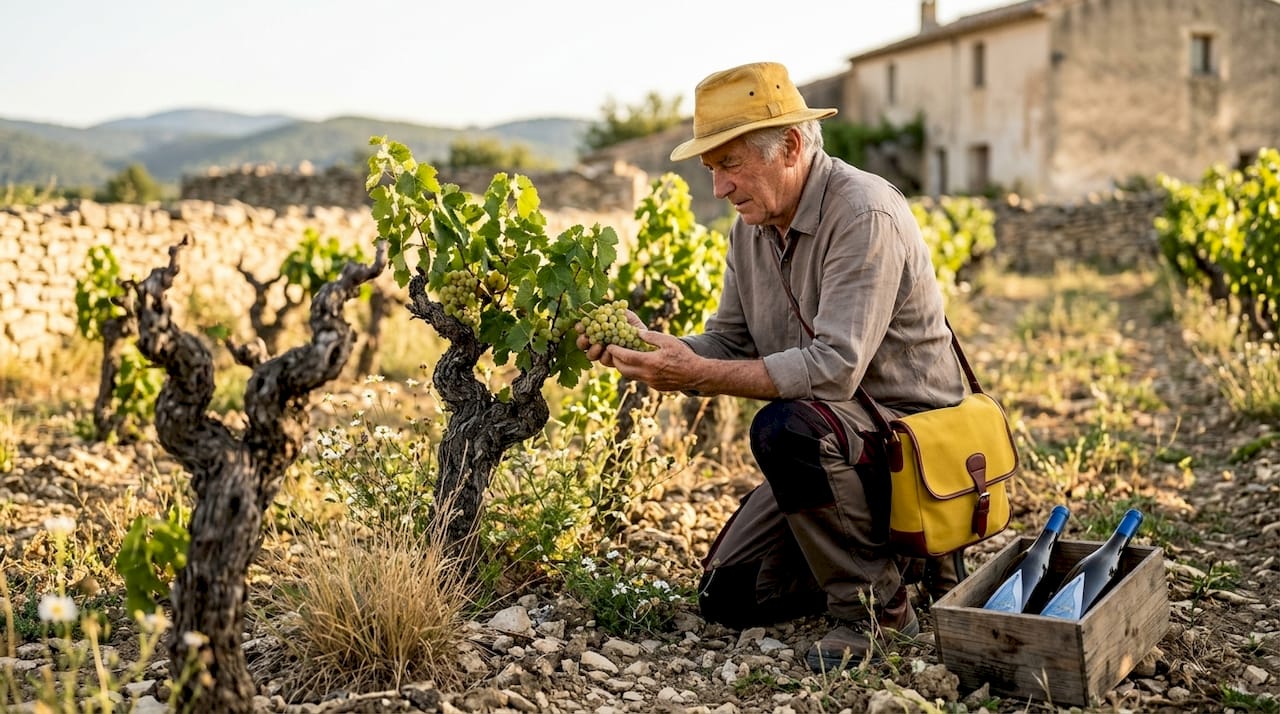
Pro Tip: If you can find information about the grape varieties in your white blend, make a note of them before you taste. Then see if you can detect the contribution of each variety as you work through the glass. It becomes a genuinely engaging exercise.
Winemaking in regions like the Roussillon is never about convenience. The French boutique wineries that produce the most expressive white blends are doing so because they have spent years learning which varieties complement each other on their specific parcels of land.
White blends vs single-varietal whites: what’s the difference?
This is perhaps the most important question for anyone new to white blends, and it deserves a direct answer. Neither approach is inherently superior. They are simply different tools that achieve different results.
As Vins Rhône notes, “a single-varietal wine is not necessarily ‘better’ than a blended wine,” and French wine regions treat the two as distinct styles rather than points on a quality scale.
Here is a clear comparison to put the two side by side:
| Feature | White blend | Single-varietal white |
|---|---|---|
| Complexity | Often higher due to multiple varieties | Focused on one grape’s character |
| Consistency | Can compensate for vintage variation | More exposed to vintage conditions |
| Regional identity | Shaped by appellation traditions | Highlights a single grape’s terroir expression |
| Winemaker input | High degree of creative control | Terroir and grape variety lead |
| Food pairing range | Often broader | Can be more specific |
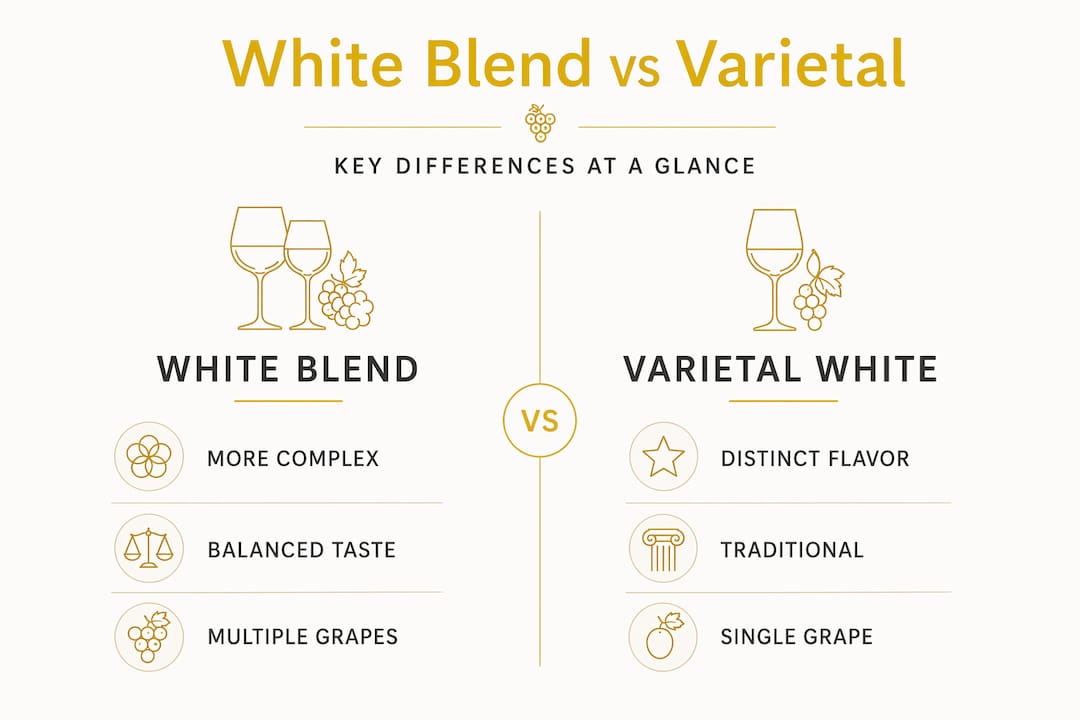
Single-varietal wines have their own magic. A perfectly ripe Condrieu from the northern Rhône, made entirely from Viognier, is an extraordinary experience that no blend could replicate. The floral intensity and stone-fruit richness of a single variety given full expression is something genuinely special.
But white blends offer something different. They allow a winemaker to tailor the wine to the vintage, the climate, and the intended audience with a precision that a single-varietal approach simply cannot match. The Côtes du Roussillon nuances are a perfect example of this: here, the combination of Mediterranean warmth, Pyrenean altitude, and diverse soils means that blending is the most natural and expressive approach available.
Key distinctions worth remembering:
- Blends prioritise harmony: The goal is a wine where no single element dominates, and every sip feels balanced and complete.
- Varietals highlight character: The focus is on what makes one grape unique, from the mineral bite of Picpoul to the waxy richness of white Burgundy.
- Neither style ages universally better: Both can age well or poorly depending on how they were made, where the grapes were grown, and how they are stored.
- Prestige is not determined by style: Some of the world’s most celebrated and expensive white wines are blends, and some of the most underwhelming are single-varietal wines made carelessly.
How to enjoy white blend wines: tasting and pairing
Knowing what a white blend is matters far less than being able to enjoy one well. Here is how to get the most from your experience.
The phrase ‘white blend’ can apply both to wines assembled from multiple white grape varieties and to region-specific assemblage systems, so the style and structure of the wine in your glass will depend significantly on where it comes from. A Roussillon white blend will feel quite different to an Australian blend of Chardonnay and Semillon, even if both are technically white blends.
To find approachable and distinctive examples, look to the Roussillon, the southern Rhône, and the Languedoc. These regions produce white blends with real character: aromatic without being overpowering, textured without being heavy, and fresh without being sharp.
For tasting, focus on these steps:
- Chill the wine gently. Somewhere between 10°C and 12°C is ideal for most white blends from southern France. Over-chilling suppresses aroma and nuance.
- Use a tulip-shaped glass with a slightly narrower opening than a standard white wine glass. This concentrates the aromatics and lets you smell the wine before you taste it.
- Take a moment to nose the wine before drinking. Good white blends reveal layers: perhaps citrus on the first sniff, then white flowers, then something more mineral or nutty underneath.
- On the palate, look for the balance between acidity and texture. Does the wine feel lively and fresh? Is there a creamy or waxy quality? Does it finish cleanly?
Pro Tip: Try your white blend both chilled and slightly less cold by letting it warm a few degrees in the glass. You will often notice entirely different aromatic layers emerging as it warms, which is a sign of a well-made blend with genuine complexity.
For pairing, white blends from southern France work beautifully with:
- Seafood dishes, particularly grilled prawns, sea bass, or a simple seafood linguine
- Roasted or grilled vegetables, especially courgette, aubergine, and fennel
- Goat’s cheese, whether fresh or aged
- Mediterranean dishes with herbs, olive oil, and garlic
- Light chicken dishes and anything with a cream or butter sauce
You can find detailed wine pairing recipes that pair beautifully with southern French white blends, including ideas that highlight the herbs and flavours typical of the region. For those wanting to explore the range directly, the collection of award-winning French white wines offers an excellent starting point.
Interestingly, some of the most surprising pairings involve drinks from other categories entirely. Chefs and food writers occasionally note similarities in fragrant complexity between aromatic white blends and spirits like organic blanco tequila, particularly in the way both can show mineral, citrus, and herbal notes in harmony.
What most people miss about white blends
Here is the perspective we have developed through years of working with old-vine grapes in the Roussillon: the obsession with varietal purity misses the point of what wine is really about.
Chasing a single grape’s identity can be rewarding, but it is a narrowing pursuit. When you focus entirely on what Chardonnay or Viognier tastes like on its own, you are essentially asking the grape to tell you one story, the same story, every time. Blending is where the real conversation happens.
In southern France, blending is not a compromise forced by regulation or circumstance. It is the natural outcome of working with diverse, old vines on complex soils, across vintages that vary dramatically in heat, rainfall, and timing. The aroma and balance in French blends that make them distinctive come precisely from this process of dialogue between varieties, between vintages, and between the winemaker’s intent and what the land provides.
What many wine lovers miss is that a great white blend is essentially a portrait of a place and a moment in time. The proportions shift year to year. The character evolves. No two vintages are ever the same wine, and that is not a flaw. That is the entire point. When you drink a white blend from Roussillon, you are tasting a decision. Someone stood in a cellar, tasted dozens of different lots, and chose how to assemble them into something greater than any part. That act of curation and craft is worth noticing and respecting.
White blends also invite a different kind of attention from the drinker. Rather than asking “does this taste like Grenache Blanc?”, you start asking “does this feel balanced, interesting, alive?” Those are the more interesting questions, and they open wine up rather than closing it down.
Explore and taste white blends with Res Fortes
There is only so much a description can do. The real understanding of white blends comes from tasting them, particularly when those wines come from producers who treat the craft with genuine seriousness.
At Res Fortes, we produce white blends from old vines in the Côtes du Roussillon, drawing on the same traditions and terroir-driven philosophy described throughout this guide. Our wines have earned recognition from Wine Enthusiast, the drinks business, and Fine Vintage, not because they follow trends, but because they stay true to the land. You can shop the full range including our expressive white blends, or browse our award-winning French wines to find something that suits your palate. Free shipping in the UK and France on three bottles or more.
Frequently asked questions
What is the difference between a white blend and a red blend?
A white blend uses two or more white grape varieties, while a red blend combines red grape varieties; the principles and goals are similar in each case, with both styles using different components to achieve balance.
Can white blend wines age well, or should they be drunk young?
Most white blends are best enjoyed young and fresh to preserve their aromatics, but top-quality blends from certain regions can develop beautifully over several years, particularly those with high acidity and structure gained through careful blending at different stages.
Are blended wines always lower quality than single-varietal wines?
No. French wine regions treat blends and varietals as different styles rather than different quality levels, and many of the world’s most acclaimed white wines are blends.
What foods best pair with white blend wines?
White blend wines pair well with seafood, grilled vegetables, fresh cheeses such as goat’s cheese, and Mediterranean dishes with herbs, olive oil, and garlic.