
Few wine regions in France pack as much diversity into a single appellation as Côtes du Roussillon. Whether you are discovering these southern French wines for the first time or deepening an existing passion, understanding the côtes du roussillon wine types is the most useful place to start. The appellation produces red, white, and rosé wines across multiple quality tiers, each governed by distinct blend rules, ageing requirements, and terroir influences. This guide classifies each type clearly, profiles their flavour and structure, and helps you choose what to open next.
Key takeaways
| Point | Details |
|---|---|
| Three colours, distinct rules | Côtes du Roussillon produces reds, whites, and rosés, each with separate blend regulations and aromatic profiles. |
| Villages is red only | The Côtes du Roussillon Villages sub-appellation is exclusively red wine, covering 32 communes in northern Pyrénées-Orientales. |
| Five named crus exist | Caramany, Latour de France, Lesquerde, Tautavel, and Les Aspres each carry unique terroir signatures within the Villages tier. |
| Label reading matters | Spotting a cru name or Villages designation on the label signals a structurally richer, more terroir-driven wine. |
| Whites are underrated gems | White Côtes du Roussillon wines offer genuine finesse and citrus-laced elegance that most consumers overlook entirely. |
1. How Côtes du Roussillon wine types are classified
The clearest way to approach the types of Roussillon wines is to sort first by colour, then by appellation tier. Sorting by colour then appellation is the most practical framework for understanding and choosing within this region.
The appellation operates on two main levels:
- Côtes du Roussillon (base appellation): Covers red, white, and rosé wines produced across the broader delimited zone in Pyrénées-Orientales.
- Côtes du Roussillon Villages: A red wine only sub-appellation restricted to northern communes, with stricter blend rules and longer ageing requirements.
- Named crus within Villages: Five specific crus (Caramany, Latour de France, Lesquerde, Tautavel, Les Aspres) sit at the top of the quality hierarchy, each attached to a defined geographic identity.
Beyond colour and appellation, classification also depends on blend composition. Reds at the base level require at least three grape varieties from a defined list. Villages reds require a minimum of two varieties, with Carignan capped to preserve structural balance. White wines carry their own varietal rules, including maximum percentage caps on individual grapes.
Pro Tip: When you see “Villages” on a label without a named cru, you are still getting a step up in quality from the base appellation. Add a cru name and you are into genuinely serious territory.
Ageing regulations add another layer. Villages wines must age until at least September of the year following harvest before release, with Tautavel and Les Aspres carrying even longer minimum ageing requirements.
2. Côtes du Roussillon red wines from the base appellation
Red wines represent approximately 80% of production in the Côtes du Roussillon, which tells you something about where the region’s identity is anchored. Base appellation reds are built from a minimum of three varieties drawn from Carignan, Grenache Noir, Syrah, Cinsault, and Mourvèdre.
The resulting wines are typically fleshy, fruity, and spiced. You get dark cherry, plum, and blackberry up front, followed by the unmistakable garrigue notes that define wines grown in this sun-scorched, wind-swept corner of southern France. Think wild herbs, dried thyme, and a hint of leather on the finish. These are generous wines. They are not subtle, but they are not blunt either.
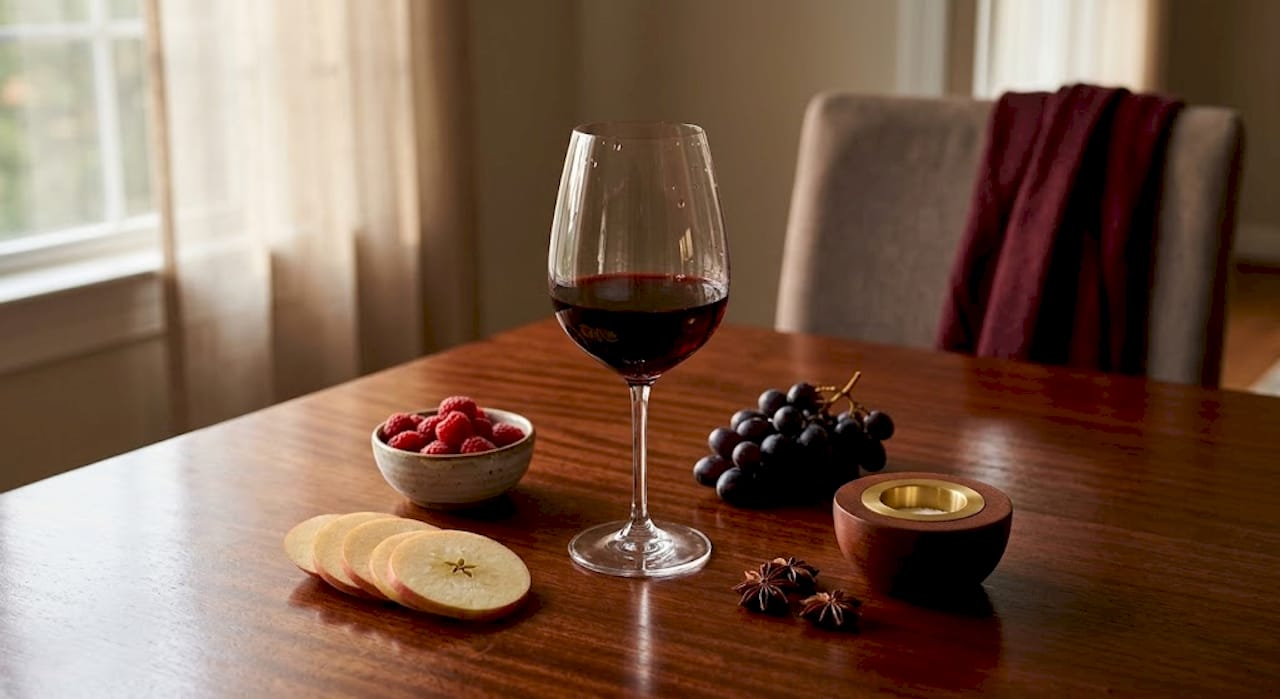
Carignan brings structure and colour intensity. Grenache contributes body and red fruit warmth. Syrah adds pepper, violet, and backbone. Mourvèdre delivers depth and ageing potential when included. The interplay of these varieties across different proportions means no two producers make exactly the same red, even from the same vintage.
Pro Tip: Base appellation reds from Côtes du Roussillon offer genuinely good value for money at the richer, fuller-bodied end of French wine. Do not overlook them simply because they lack a famous cru name.
3. Côtes du Roussillon Villages and the named crus
This is where things become genuinely exciting for the wine enthusiast. Côtes du Roussillon Villages operates as a red-only quality tier covering 32 communes in the northern part of Pyrénées-Orientales, with stricter blend constraints and a quality floor that is meaningfully higher than the base appellation.
Villages blends must include at least two grape varieties from Grenache Noir, Syrah, Carignan, Mourvèdre, and Lladoner Pelut. That last variety is worth noting: Lladoner Pelut is a local mutation of Grenache found almost nowhere else, and its inclusion is one of the things that makes Villages wines feel genuinely rooted in their place. Carignan is capped at 60%, preventing any single grape from dominating at the expense of complexity.
The five named crus each express their own terroir signature:
| Cru | Terroir character | Style notes |
|---|---|---|
| Tautavel | High-altitude clay and limestone | Structured, mineral, age-worthy |
| Caramany | Schist soils, steep slopes | Spiced, dense, dark fruit |
| Latour de France | Schist and granite mix | Aromatic, elegant, Grenache-forward |
| Lesquerde | Granite-dominated | Fresh red fruit, lifted aromatics |
| Les Aspres | Varied soils, higher altitude | Complex, savoury, long ageing potential |
Villages wines are full-bodied and deeply coloured, with intense red and dark fruit, garrigue, and firm tannins. Their cellaring potential runs from 4 to 8 years on a typical bottle, with the better crus rewarding patience beyond that comfortably.
4. Côtes du Roussillon rosé wines
Rosé from Côtes du Roussillon is not an afterthought. The appellation produces fresh, aromatic rosés that sit comfortably in the Provençal style without simply copying it. The key grape varieties are Grenache Noir, Syrah, and Grenache Gris, with the latter contributing a soft, copper-tinged colour and a slightly more textural mouthfeel than typical Provençal blends.
Tasting notes for Côtes du Roussillon rosé typically land on:
- Fresh red berry aromas: wild strawberry, raspberry, redcurrant
- Floral notes: rose petal, orange blossom
- A dry, clean finish with moderate acidity
- Light to medium body, crisp and refreshing in warm weather
Grenache Gris deserves particular attention here. It is a grey-skinned mutation of Grenache that adds a distinctive pale rose and slightly saline quality to blends, something you will not find in many other French rosé appellations. Syrah in the blend brings a subtle spiced edge and a deeper colour when present in higher proportions.
These wines are made to drink young, typically within two years of harvest. They pair brilliantly with grilled fish, summer salads, and soft goat’s cheese. They also hold their own as aperitif wines with no food at all.
5. Best white wines from Côtes du Roussillon
White Côtes du Roussillon wines represent the region’s biggest hidden strength. Production volumes are low compared to red, which means they are often overlooked even by enthusiastic followers of southern French wine. That is an error worth correcting.
The primary white varieties are Grenache Blanc, Macabeu, and Tourbat (also called Malvoisie du Roussillon), blended according to rules that include maximum varietal caps to prevent any single grape from stripping out the aromatic complexity. Viognier, Roussanne, Marsanne, Vermentino, and Carignan Blanc may also appear in blends, depending on the producer’s style.
The aromatic profile of these whites is finer and more delicate than the reds. Expect:
- Citrus: lemon zest, white grapefruit, lime blossom
- White-fleshed fruit: pear, white peach, nectarine
- Floral notes: jasmine, acacia, honeysuckle
- A clean, saline mineral quality on the finish in the best examples
Some producers work with partial oak ageing to add texture and weight, particularly when Roussanne or Marsanne dominates the blend. This produces a richer, fuller style with a creamy mid-palate that works particularly well with grilled poultry or creamy pasta dishes. Unoaked examples are lighter, crisper, and ideal for seafood.
Pro Tip: If you want to impress guests without spending Burgundy prices, a well-made white Côtes du Roussillon from old Grenache Blanc vines often punches far above its cost.
6. Comparing côtes du roussillon wine types side by side
Understanding the differences across colour and appellation tier helps you shop with confidence and plan food pairings more precisely.
| Wine type | Key grapes | Style | Ageing potential | Best pairing |
|---|---|---|---|---|
| Base red | Grenache, Syrah, Carignan, Mourvèdre | Fleshy, fruity, spiced | 3 to 5 years | Lamb, beef, charcuterie |
| Villages red | Grenache, Syrah, Mourvèdre, Lladoner Pelut | Full-bodied, structured, garrigue | 4 to 8 years | Game, braised meats, aged cheeses |
| Named cru (e.g. Tautavel) | Grenache-led, strict blend rules | Complex, mineral, age-worthy | 6 to 10+ years | Fine dining, slow-cooked red meats |
| Rosé | Grenache Noir, Syrah, Grenache Gris | Fresh, floral, light-bodied | Drink within 2 years | Fish, salads, aperitif |
| White | Grenache Blanc, Macabeu, Tourbat | Delicate, citrus, floral | 2 to 4 years | Seafood, poultry, soft cheeses |
The structural gap between a base red and a Villages cru is real and measurable. Tannin firmness, colour depth, and aromatic complexity all rise significantly at the Villages level, driven by stricter blend rules and the terroir influence of each cru’s specific soils and altitude.
You can explore Languedoc vs Roussillon differences for further context on how Roussillon’s identity separates itself from its equally diverse neighbour to the north.
7. Choosing the right type for your palate and occasion
Once you understand the classification framework, matching a Côtes du Roussillon wine to your occasion becomes straightforward. Here is how to think about it:
- For everyday drinking: A base appellation red offers tremendous value, particularly blends with a higher Grenache and Syrah percentage. Look for producers who cap oak influence to preserve fruit freshness.
- For a dinner party centrepiece: A Villages red or a named cru such as Tautavel or Les Aspres rewards the table with complexity without requiring a grand cru budget.
- For summer and lighter occasions: Rosé is the obvious call, but white Côtes du Roussillon is equally compelling with fish courses, and considerably less expected.
- For cellaring: Invest in cru-labelled Villages reds and give them three to five years minimum. The blend constraints nurture structure that opens beautifully with time.
- For exploring Roussillon’s flavour profiles: A side-by-side tasting of a base red, a Villages red, a rosé, and a white from the same producer is the most illuminating single exercise you can do with these wines.
Pro Tip: Consumers often mistake the whole appellation as producing uniform wines. Label reading is essential: a cru name tells you far more about what is in the bottle than any tasting note on a back label.
For practical food pairing ideas matched to each wine type, the Res Fortes wine recipes page offers a useful starting point.
My honest take on exploring Côtes du Roussillon wines
I have spent a great deal of time tasting across this appellation, and the single most persistent misconception I encounter is that Côtes du Roussillon is just one thing. People try a broad base red, form an opinion, and close the door. That is a significant mistake.
What the region actually offers is more like four or five parallel wine cultures, each shaped by colour, blend philosophy, and geography. The first time I tasted a Tautavel cru alongside a delicate Grenache Blanc white from the same vintage, I had to remind myself these both carried the same appellation name. The range was that wide.
My advice: start with the whites and rosés to recalibrate your expectations. Then work through a base red, a Villages, and a named cru in sequence. That tasting arc is genuinely revelatory. The regulations that govern these wines, particularly the evolving cru system and the Carignan caps, have pushed quality upwards in ways that are visible in the glass, not just on paper. Drink widely. Compare openly. This is one of southern France’s most underrated ranges.
— Moritz
Discover Côtes du Roussillon wines from Resfortes
If this guide has sparked curiosity about what Côtes du Roussillon actually tastes like across its full range of types, Resfortes is a natural place to begin tasting.
Resfortes produces award-winning wines from the Côtes du Roussillon, crafted at the foothills of the Pyrenees with minimal intervention and a focus on terroir authenticity. The range spans vibrant whites, a citrus-laced rosé, Grenache-led reds, and the flagship The Brave, which showcases old-vine Grenache at its most expressive. Whether you are new to the appellation or building a cellar, you can explore the full Resfortes wine range to find the type that suits your palate. Trade buyers can also enquire through the professional wine trade page for wholesale and business options.
FAQ
What is Côtes du Roussillon wine?
Côtes du Roussillon is a French appellation in Pyrénées-Orientales producing red, white, and rosé wines. It sits at the foothills of the Pyrenees in the far south of France, with a warm Mediterranean climate and diverse terroirs shaping a wide range of styles.
What grape varieties are used in Côtes du Roussillon wines?
Red and rosé wines primarily use Grenache Noir, Syrah, Carignan, Mourvèdre, and Cinsault. White wines are built around Grenache Blanc, Macabeu, and Tourbat, with additions of Roussanne, Marsanne, Vermentino, and Viognier depending on the blend.
What is Côtes du Roussillon Villages?
Côtes du Roussillon Villages is a red-wine-only sub-appellation covering 32 northern communes, with stricter blend requirements, a Carignan cap of 60%, and mandatory minimum ageing before release. It represents a clear quality step above the base appellation.
How long can Côtes du Roussillon wines age?
Base reds typically drink well from 3 to 5 years. Villages reds have a cellaring window of 4 to 8 years, while named crus like Tautavel and Les Aspres can reward ageing well beyond a decade. Rosés and whites are generally best drunk young, within 2 to 4 years.
What are the five named crus in Côtes du Roussillon Villages?
The five named crus are Caramany, Latour de France, Lesquerde, Tautavel, and Les Aspres. Each occupies a distinct geographic zone with unique soil types and altitude, producing structurally distinct red wines that sit at the top of the Roussillon quality hierarchy.