

Small batch wine means limited-production estate or artisanal releases, made in quantities small enough that the producer’s hand stays visible in every bottle. If you want one, buy from producer-direct channels or trusted curators, and check production size and provenance before you commit. Memberships and curated mixed cases are the two most reliable routes into wines that never reach a supermarket shelf.
TL;DR:
- Genuine small-batch wines are typically disclosed by bottle or case counts, sourced from single-vineyard parcels, and labeled with minimal intervention details.
- Buying directly from producers ensures better provenance and transparency, with storage history and winemaking practices openly available for verification.
- Before purchasing, verify technical details, awards, and ask about storage conditions to avoid low-quality or improperly stored limited releases.
- Wine clubs should clearly specify benefits, release schedules, and transparency about limited stock, rather than vague scarcity claims or lack of detail.
- Usually, purchasing three bottles covers different aging needs, with proper storage at a consistent, cool temperature and minimal light exposure important for long-term cellaring.
What counts as a small-batch or limited-production wine
Small batch, in the sense that matters to collectors and on-trade buyers, means artisanal or estate releases made in modest volumes rather than anything brewed at home. The distinction is not sentimental. A wine made from a single parcel, in limited bottle counts, tends to carry more of its site’s true character than one blended across regions to meet volume targets.
A handful of signals separate genuine small-batch wine from marketing dressed up to look scarce.
- Disclosed bottle or case counts, often stated on the label or product page rather than left vague.
- Single-vineyard or old-vine labelling, pointing to a defined parcel rather than a blended, anonymous source.
- Parcel-based release language, showing the wine came from a specific block picked and vinified on its own.
- Minimal-intervention notes, such as unfiltered, low sulphites or native yeast fermentation, each of which nudges texture and aroma in ways mass production tends to smooth away.
Why buying direct and provenance matter
Direct-to-consumer channels now account for roughly 30% of total wine revenue for UK producers, a figure that reflects how much small and medium estates depend on selling straight to drinkers rather than through layers of distribution. That matters to a buyer because every intermediary between cellar and glass is another place provenance can blur.
One of the most reliable ways to protect provenance is to buy where the producer controls the story from harvest to delivery.
- Producer-direct sales let a winery record allocation against order numbers, so a scarce vintage has a traceable history rather than a guess.
- Product pages and blog content that explain vineyard selection, harvest decisions and cellar practice give buyers a way to check claims rather than take them on faith.
- Member communications, when done properly, flag exactly which releases are limited and why, rather than leaning on vague scarcity language.
Res Fortes builds its own small-batch range around this logic: single-vineyard and old-vine sourcing detailed on its product pages, practice notes on minimal-intervention winemaking, and free shipping in the UK and France on three bottles or more, a logistics detail that matters more than it sounds once you are trying to build a mixed case without paying twice for carriage.
How to assess a small-batch release before you buy
Scarcity alone tells you nothing about quality. A wine can be genuinely limited and still poorly made, or poorly stored, which is arguably worse because by the time you notice, the bottle is already open. Run through a short checklist before parting with money on anything described as limited.
- Ask for the numbers. If bottle or case counts matter to you, a producer or retailer should be able to state them, not gesture at “very limited” stock.
- Ask about storage history. Cellar conditions and shipping temperature control affect a wine more than most buyers realise, and reputable merchants and producers will supply storage history on request.
- Read the technical notes. Grape variety, vineyard site, yields, filtration and sulphite levels tell you more about what is in the glass than any tasting adjective.
- Look for external validation. Awards, critic scores and a clear returns policy all suggest a producer confident enough in its wine to invite scrutiny.
- Watch for red flags. Vague scarcity claims with no numbers, no storage information, or tasting notes that shift from one listing to the next are reasons to pause.
Pro Tip: Ask any seller one direct question, “can you tell me how this bottle has been stored since release”, and judge the buying decision on how confidently they answer.
Wine clubs, subscriptions and allocations: what buyers should expect
A wine club is only as good as its clarity. The strongest programmes promise something specific, priority access to a coming release, member-only bottlings, invitations to tastings or events, rather than a loose promise of convenience. Clarity about production size and honest allocation communication is what keeps a club worth renewing, and it is the detail that separates a genuine allocation model from a subscription box that simply ships whatever is available.
Before joining any club, small-batch or otherwise, check for a few things.
- Clear statement of what membership actually delivers: early access, specific bottlings, events, or all three.
- A stated frequency and shipment schedule, so there is no ambiguity about what arrives and when.
- Transparent language about limited stock, rather than repeated claims of scarcity with no numbers behind them.
- Straightforward opt-out terms and a shipping policy that spells out costs before you commit.
Our own Elite Member programme, and background on how wine clubs generally structure member value, is covered in more depth in our note on wine subscriptions.
How many bottles to buy and basic cellaring advice
Collectors often use a three-bottle rule for small-batch wines: one to drink soon, one to hold for the medium term, and one to cellar long-term or keep as a backup should the first bottle disappoint or surprise. It is a simple heuristic, and it works precisely because it does not demand any special knowledge of the vintage.
Buy more than three when you already trust the producer, when the wine has a known track record for ageing well, or when you are buying with a gift or a future occasion in mind.
- Keep bottles at a stable, cool temperature rather than somewhere that swings with the seasons.
- Store away from direct light, since UV exposure degrades wine faster than most people expect.
- Aim for moderate humidity to keep corks from drying out over years of storage.
- Avoid moving bottles between temperature zones repeatedly, which stresses the wine more than a single steady, slightly warmer spot would.
Legal essentials for buying small-batch wine online
In the UK, it is illegal for anyone under 18 to buy alcohol, and distance sellers must operate an age verification policy at the point of sale. From 2026, the Licensing Act’s amendment permits, but does not require, accredited digital verification services as an alternative to manual ID checks. In practice, expect an age gate at checkout and be ready to show ID on delivery if asked, since physical proof of age remains entirely acceptable.
Common grape varieties and styles typical in small-batch wines
Small-batch production tends to favour varieties and blends that express a specific site rather than a house style built for consistency across millions of bottles. In southern France, that often means old-vine Grenache, frequently blended with Mourvèdre and Syrah into GMS-style reds that carry ripe fruit alongside a savoury, herbal edge from garrigue-covered hillsides. Syrah on its own, particularly from estate parcels, tends to show darker fruit and a peppery finish that varies noticeably from one vintage to the next, precisely because the winemaker is not blending it flat.
White small-batch releases lean on old-vine blends and single-variety Chardonnay, the latter often showing more citrus and mineral character when picked earlier and handled with a lighter touch in the cellar. Rosé from these producers tends to prioritise freshness, a refreshing, sea-breeze aroma with lingering citrus notes rather than the deeper, more tannic style some larger rosé producers chase for shelf appeal.
What unites these styles is variation itself. A small-batch Grenache from one hillside parcel can taste distinctly different from the same grape grown two ridges over, and that variation is the point rather than a flaw to correct. Buyers who want a single, reliable flavour profile every year are usually better served by larger-volume wines. Buyers chasing a genuine sense of place should expect, and welcome, a degree of vintage-to-vintage shift.

How production techniques differ from mass-produced wines
The gap between small-batch and mass-produced wine shows up long before bottling. Mass production favours mechanical harvesting, blending across multiple vineyards to smooth out inconsistency, and fermentation additives that guarantee a predictable result at scale. Small-batch winemaking tends to move in the opposite direction: hand-harvesting specific parcels, fermenting them separately, and making decisions batch by batch rather than applying one formula across an entire harvest.

Minimal intervention is the term most often attached to this approach, covering practices such as native yeast fermentation, little or no fining and filtration, and lower sulphite additions than industrial wine typically uses. None of these choices are free. They demand closer attention at every stage and carry more risk of a batch not turning out as planned, which is part of why small-batch wine tends to sell at a premium over volume-produced equivalents.
The other structural difference is yield. Old-vine parcels naturally produce less fruit per vine, and many small-batch producers deliberately limit yields further to concentrate flavour rather than maximise output. A mass producer optimising for consistent supply has little incentive to do either. For a fuller sense of what these practices look like in a working cellar, our note on minimal-intervention winemaking sets out the specific questions worth asking a producer.
Environmental and sustainable practices in small-batch production
Small-batch producers are often better placed to farm sustainably simply because they are working smaller plots with closer attention to each vine. Organic and biodynamic practices, cover cropping, reduced or eliminated synthetic pesticide use, and manual canopy management all show up more often at this scale than in vineyards farmed for volume across hundreds of hectares.
Water management tends to follow the same pattern. Producers working rugged, low-yield terroir, such as the foothills of a mountain range, often rely on dry farming rather than irrigation, which forces vines to root deeper and can concentrate flavour in the fruit. Lower sulphite use, already common in minimal-intervention winemaking, also reduces the chemical load in the finished wine, though it demands more careful handling to avoid spoilage.
None of this is automatic. “Small batch” describes production volume, not certification, so a genuinely sustainable small producer and one farming conventionally can sit side by side on the same shelf. Buyers who care about the distinction should look for specific claims, organic or biodynamic certification, stated pesticide policy, or water use practice, rather than assuming scale alone guarantees a lighter environmental footprint. Our guide to verifying organic or biodynamic claims sets out the specific checks worth running before taking a label’s sustainability claim at face value.
Typical price ranges and what shapes small-batch pricing
Small-batch wine sits at a structural disadvantage on cost that shows up directly in price. Lower yields mean fewer bottles to spread fixed costs across, hand-harvesting and parcel-by-parcel vinification take more labour than mechanised production, and minimal-intervention techniques demand closer, slower attention at every stage. All of that lands in the bottle price before a single mark-up is applied.
Beyond production cost, a handful of factors push prices up or down within the small-batch category itself. Old-vine fruit commands a premium because yields drop further as vines age, even as concentration and complexity tend to rise. Critic scores and award recognition, the kind published by outlets such as the drinks business, Wine Enthusiast and Fine Vintage, also shift what a producer can reasonably charge, since a scored or awarded wine has independent validation a buyer can weigh before purchase. Site matters too. A single named vineyard with a track record of strong fruit tends to justify a higher price than an unnamed parcel, simply because the provenance is more specific and more checkable.
Buyers should treat price as one signal among several rather than a proxy for quality on its own. A well-priced small-batch bottle backed by clear production numbers, honest tasting notes and a transparent producer is usually a better bet than a more expensive bottle leaning on vague scarcity language with nothing to back it up.
How to pair small-batch wines with food
Small-batch wines tend to reward pairing choices that respect their variation rather than fight it. Because the flavour profile can shift meaningfully from one vintage to the next, the safest approach is to match the wine’s dominant character in the glass rather than follow a rigid varietal rule learned from mass-produced examples.
Old-vine Grenache-led blends, with their ripe fruit and savoury, herbal undertone, tend to suit slow-cooked lamb, grilled vegetables with rosemary, or dishes built around garrigue-style herbs that echo the vineyard’s own surroundings. Estate Syrah, often peppery and dark-fruited, works well against richer red meats or dishes carrying a touch of black pepper or smoke. A citrus-forward Chardonnay or old-vine white blend suits shellfish, roast chicken, or dishes with a squeeze of lemon that mirrors the wine’s own acidity. A crisp, sea-breeze rosé pairs naturally with lighter fare, grilled fish, salads, or simply drinking on its own on a warm evening.
The broader principle holds across all of these pairings: taste the wine before you plan the meal, rather than assuming a single variety always behaves the same way. That unpredictability is exactly what makes small-batch wine worth seeking out in the first place.
Where to buy small-batch wine beyond a subscription
Wine clubs are the most structured route into limited releases, but they are far from the only one. Specialist independent retailers, particularly those that publish tasting notes and storage information rather than just a price, are a reliable second option, and many carry allocations from small estates that never reach larger chains. Cellar door purchases, buying directly at the winery or through its own website, cut out intermediaries entirely and often give access to bottlings a retailer never sees.
On-trade buyers, restaurants and bars sourcing for a wine list, tend to work directly with producers or small distributors precisely because allocation access and provenance records matter more at that scale of purchase. For collectors and enthusiasts, following a trusted importer or curator can be a more efficient shortcut than chasing individual estates one by one, since a good curator has already done the vetting work on production practice and storage.
Whichever channel you choose, the checks stay the same: ask for production numbers, storage history and technical detail, and treat a seller’s willingness to answer as a trust signal in itself.
What I’d tell a friend before they start collecting
Curiosity is the fun part of small-batch wine, but restraint keeps it enjoyable. I would rather a reader follow one or two producers or curators they genuinely trust than try to chase every limited allocation that crosses their inbox. Prioritise clear provenance and honest communication over scarcity marketing, and the collection will look after itself.
— Moritz
How Res Fortes can help you access small-batch wines
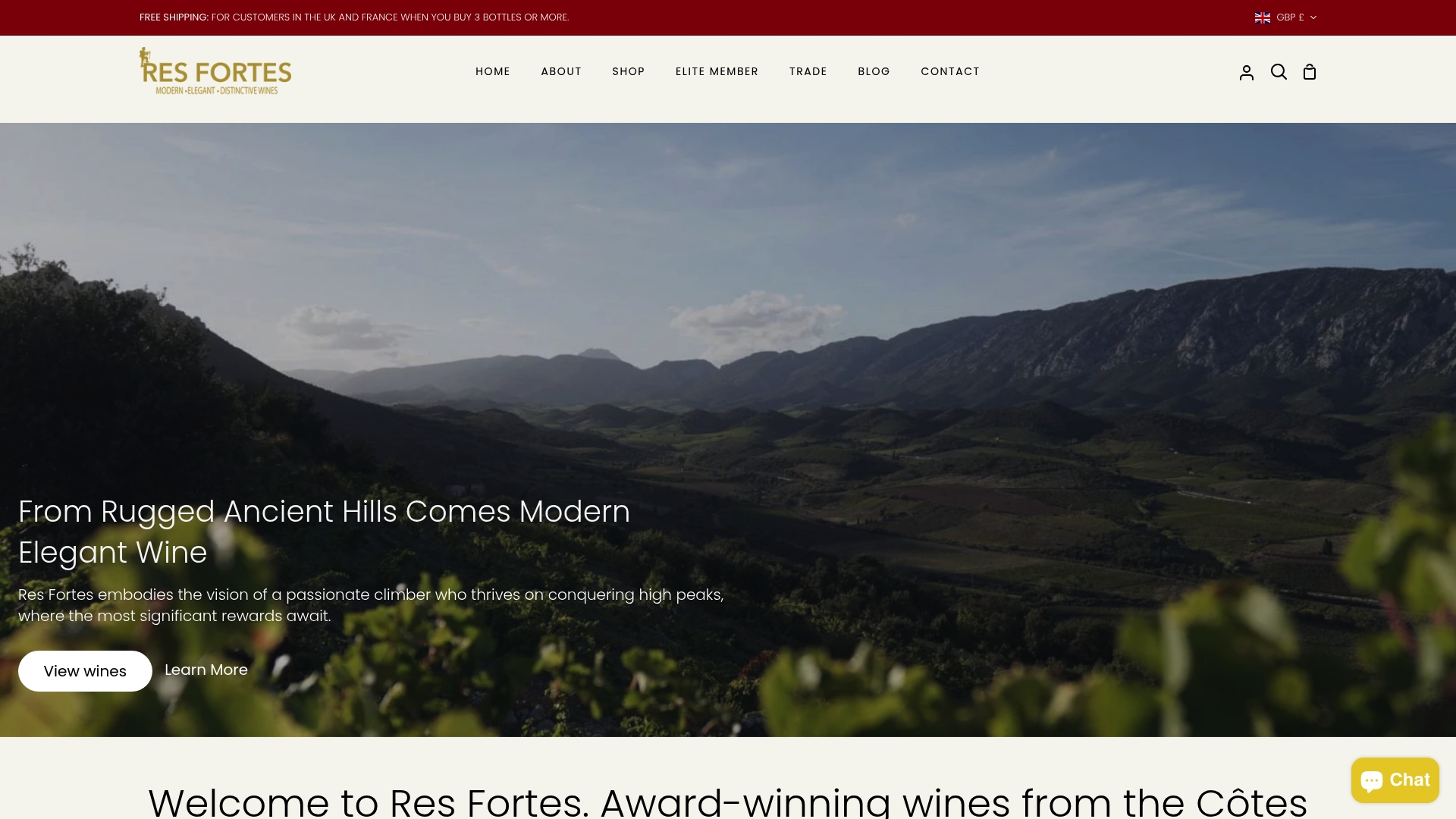
Res Fortes produces small-batch wines from the Côtes du Roussillon, including the citrus-bright Chaotic Chardonnay, the Grenache-led GMS, premium estate Traveller Syrah, and the flagship old-vine Grenache, The Brave. Each release is made in limited volumes from parcels selected for character rather than yield.
For readers who want a structured route into these wines rather than piecing together single bottles, two paths sit alongside the full collection of wines:
- The Elite Membership Subscription offers priority access to exclusive releases as they become available.
- Curated mixed cases let you try the range across whites, reds, and rosé without committing to a full case of one wine.
- Free shipping on qualifying orders can make building a mixed case straightforward.
For readers planning a tasting trip alongside their next order, Elite Travel’s craft beer and drinks tours are worth a look if you want to pair a wine allocation with a broader trip. Start with the Elite Member page to see what the current allocation includes.
Sources
- Enabling the use of digital verification services for alcohol age checks (blog.gov.uk)
- Vineyard Magazine industry benchmark (DtC data)
- The Licensing Act 2003 (Mandatory Licensing Conditions) (Amendment) Order 2026
- Wine Spectator — ensuring proper storage before purchase
FAQ
What does small-batch wine actually mean?
Small-batch wine refers to limited-production, handcrafted bottles made by a winery, usually from a specific vineyard parcel or old-vine plot rather than a blend sourced across large volumes. It has nothing to do with home winemaking; it describes a professional estate’s deliberate choice to make less wine with closer attention to each parcel.
How can I tell if a wine is genuinely limited production?
Look for disclosed bottle or case counts, single-vineyard or old-vine labelling, and technical notes covering yields and winemaking choices. Reputable producers and merchants can also confirm storage history on request, which is a further sign the scarcity claim is backed by real practice rather than marketing language.
Is buying direct from a winery better than buying through a retailer?
Direct purchasing tends to give better traceability, since the producer controls allocation records and storage history from bottling onward. Direct-to-consumer sales account for roughly 30% of UK producer revenue, reflecting how central this channel has become for smaller estates protecting both margin and provenance.
How many bottles should I buy of a limited release?
A common starting rule is three bottles: one to drink soon, one for medium-term ageing, and one to hold long-term or as a backup. Buy more only when you already trust the producer’s track record or have a specific occasion or gift in mind.
Do I need ID to buy wine online in the UK?
Yes, you must be 18 or over to buy alcohol in the UK, and distance sellers are required to run an age verification policy at checkout. From 2026, sellers may use accredited digital verification services as an alternative to manual checks, though physical ID on delivery remains acceptable.