

Saint-Paul-de-Fenouillet is a wine-growing base at the heart of the Fenouillèdes, where visitors reach Côtes du Roussillon and Maury producers through appointment-led cellar visits set against garrigue slopes and limestone ridges. The village itself is the terroir made visible: rivers, wind and rock long before it is a label. This guide walks through the landscape, the appellations, the visit formats and how to plan a trip that connects both.
TL;DR:
- Visiting Saint-Paul-de-Fenouillet requires booking in advance, especially for vineyard walks or larger groups, with slots often limited to preserve personal experiences.
- Wines from the area often reflect specific terroir factors such as vineyard elevation, wind exposure, and limestone soil, which influence style differences even within the same appellation.
- Most wineries operate by appointment only, offering formats ranging from brief cellar tours to full picnic or gourmet tastings lasting up to two hours.
- The region’s varieties like Grenache and Syrah are source of wines that showcase old-vine depth and site-specific characteristics, differing markedly based on parcel and altitude.
- Res Fortes exemplifies the local style with minimal intervention, producing small-batch wines from high-altitude, rocky terroirs with free shipping options for multiple bottles within certain countries.
Saint-Paul at a glance: landscape, heritage and visitor highlights
Saint-Paul-de-Fenouillet sits where two rivers meet beneath limestone ridges, its slopes dressed in thyme and rosemary garrigue and swept by winds that keep the vines dry and the air sharp. The municipal presentation of the village describes it as a Mediterranean, wine-growing settlement shaped by this landscape rather than one dressed up for visitors afterwards.
The heritage sites reward a slow walk rather than a checklist tour.
- The Chapter, a historic ecclesiastical building at the village centre, anchors the old town’s layout.
- The Saint-Antoine chapel offers a quieter architectural note away from the main streets.
- The Gorges de Galamus, a dramatic limestone canyon nearby, gives the clearest view of the rock beneath the vines.
- Croquants de Saint-Paul, an almond biscuit local to the village, make a fitting companion to a tasting or a coffee afterwards.
Tasting here feels different from a generic stop in the South of France because the geology and the glass are the same story told twice. Walk the ridge, then taste the wine grown on it, and the mineral note in the glass stops being an abstraction.
The wine map: appellations, IGPs and what to look for on the label
Saint-Paul does not carry its own appellation. It sits inside a wider mosaic that the Agly Fenouillèdes tourism office describes as vineyards, forests, gorges and villages woven together rather than a single named wine zone. Understanding that mosaic changes what you ask for at the cellar door.
- Maury, known for its fortified sweet reds, lies within reach of the village.
- Muscat de Rivesaltes, an AOP sweet white, shares the same broader territory.
- Côtes du Roussillon Villages covers many of the structured dry reds produced locally.
- IGP Côtes Catalanes gives growers more freedom for blends and single-varietal bottlings outside strict appellation rules.
A bottle labelled simply “Saint-Paul-de-Fenouillet” tells you where the fruit was grown, not what rules shaped it in the cellar. Ask for the commune and the appellation together: a Maury and a Côtes du Roussillon Villages red grown a few kilometres apart can taste entirely different because of altitude, wind exposure and the proportion of limestone in the soil. Higher, wind-exposed parcels tend to hold acidity and produce fresher wines, while lower, sun-trapped plots push toward riper, rounder styles.
Wineries and experiences to book: formats, durations and expectations
Visiting wine estates around Saint-Paul means working around small teams and appointment calendars rather than a walk-in tasting room. The Mas de la Lune listing sets out a useful template for the range of formats on offer locally.
- A 45-minute cellar discovery suits visitors short on time or new to the region, covering the basics of production and a short tasting.
- A 90-minute vineyard walk takes you through the rows themselves, tying soil and exposure to what ends up in the glass.
- A 2-hour picnic or gourmet visit pairs a fuller tasting with local food, ideal when wine is the centrepiece of the day rather than a stop along the way.
Group sizes at these smaller estates tend to stay modest, which keeps the conversation with the grower personal rather than scripted. Appointment-only access is the norm rather than the exception here: most producers, including Res Fortes, sell and host by appointment, so a phone call or booking form ahead of arrival is essential rather than optional. Elsewhere in the area, Vino Enigma offers a five-kilometre puzzle trail through vineyard views that ends in a Côtes d’Agly tasting, proving that movement through the landscape can be part of the tasting itself.
Pro Tip: Book the longer vineyard walk if you only have time for one estate: it delivers the terroir context that a short cellar visit cannot.
Practical visit planner: short itineraries, booking checklist and transport tips
A half-day in Saint-Paul works well as a single tasting paired with a walk to the Chapter or Saint-Antoine chapel, giving you landscape and heritage either side of the glass. A full day allows a tasting, a vineyard walk of ninety minutes or so, and a drive out to the Gorges de Galamus before or after lunch.
- Contact producers directly for appointment times; many small estates run on a single grower’s schedule.
- Book at least a few days ahead in peak season, since visit slots and group sizes are limited.
- Ask about accessibility if mobility is a concern, as vineyard walks often cross uneven ground.
- Wear sturdy shoes and bring water, since garrigue paths and vineyard rows offer little shade.
- Confirm whether card payment is accepted at the cellar door before you arrive.
Saint-Paul itself has limited public transport, so a car is the practical way to move between the village, the gorges and outlying estates. Perpignan is the nearest larger city for arrival by rail or air, with a drive of under an hour into the Fenouillèdes.
Tasting the place: linking visible terroir and heritage to tasting notes
Once you have walked the ridges and seen the limestone underfoot, tastings become a matter of recognition rather than guesswork. Listen for garrigue herbs (thyme, rosemary, a dry resinous edge), a chalky mineral thread from the limestone, and a lift of freshness that the local wind tends to leave in the glass even in warm vintages.
Ask growers which parcel or commune the fruit came from, how old the vines are, and whether the wine saw oak or extended maceration. Those answers map directly back to what you have already seen: old vines on wind-exposed limestone slopes, for instance, tend to give wines with more restraint and a longer finish than fruit grown lower and warmer. Appellation and commune on the label are shorthand for exactly this set of choices.
Res Fortes spotlight: what the estate offers and how it illustrates the village story
Res Fortes is an independent winegrower based in Saint-Paul, producing small-batch wines from terroir stretching between Maury and the village itself, as local tourism listings note. The winery was founded on a climber’s instinct for seeking reward in difficult, high places, an idea that carries through into vineyard selection on the rugged slopes at the foot of the Pyrenees.
- The flagship wine showcases old-vine Grenache grown on that terrain.
- Chardonnay and the estate rosé bring brighter, more immediate styles to the range.
- The GMS blend and a Syrah round out a portfolio built on minimal-intervention, collaborative winemaking.
Visits and cellar sales run by appointment, in keeping with the wider pattern across Saint-Paul’s small estates, and there is free shipping on three bottles or more to certain locations. The minimal-intervention approach and the focus on old vines reflect a response to the same limestone, wind and altitude that shape wines from this village.
Historical background of winemaking in Saint-Paul-de-Fenouillet
Winemaking in Saint-Paul grew up around cooperative production for much of the twentieth century, a model common across the Roussillon as small growers pooled fruit to make bottling and sale viable. The village’s former cooperative cellar was established in 1921, according to the regional heritage inventory, which documents its construction and later expansion as production grew.
Over time, much of that cooperative’s activity was transferred elsewhere, though the inventory records that a direct-sales shop tied to the original building has remained active. That shift from bulk cooperative output toward smaller, independent estates is the reason today’s visitor experience looks the way it does: instead of a single large tasting room, Saint-Paul now offers a scattering of appointment-led growers, each working a specific parcel rather than a pooled blend.
That change also explains why visitors increasingly ask about commune, parcel and vine age rather than accepting a generic village bottling. The cooperative era produced consistency at scale; the independent growers who followed it compete instead on distinctiveness, tying their wines more tightly to the specific ridge, exposure or soil pocket they farm. Understanding this history gives context to the heritage buildings you pass in the village, some of which are the physical remains of that cooperative period, now repurposed or left as documented heritage sites rather than working wineries.
Profiles of key grape varieties grown in the village
The varieties grown around Saint-Paul reflect both the region’s Mediterranean climate and the specific demands of its limestone, wind-scoured slopes. Grenache, in its noir, gris and blanc forms, is the backbone of the area’s reds and many of its whites, prized for old vines that root deep into rocky soil and produce concentrated, structured fruit under exactly these conditions. Syrah performs well on the warmer, sun-exposed plots, contributing colour, spice and firm tannin to blends and premium single-varietal bottlings alike.

Carignan, long a workhorse variety across the Roussillon, brings acidity and rustic character, particularly from older vines that growers have kept rather than replaced. Mourvèdre appears in smaller quantities, favouring the hottest, most sheltered sites and adding depth to blended reds. On the white side, Macabeu and Muscat varieties (Muscat à Petits Grains and Muscat d’Alexandrie) thrive in the same terrain that supports Muscat de Rivesaltes production nearby, giving aromatic lift to both dry and sweet styles.
Chardonnay, though not historically native to the area, has found a place in more contemporary bottlings that lean into the region’s sunshine while retaining freshness from altitude and wind exposure. What unites these varieties locally is not a single house style but a shared dependence on old vines and low yields, both suited to the poor, rocky soils that dominate the landscape around Saint-Paul. Growers here tend to treat variety choice as secondary to site: the same grape planted on a wind-exposed ridge and a sheltered lower slope can produce two distinctly different wines.
Overview of wine styles and signature wines from Saint-Paul-de-Fenouillet
The styles produced around Saint-Paul span a wide range, from the fortified sweetness of nearby Maury to crisp, mineral-driven dry whites and structured reds built for ageing. Reds dominate in volume, typically built around Grenache with support from Syrah, Carignan or Mourvèdre, ranging from lighter, fresher Côtes du Roussillon bottlings to more concentrated Villages-level wines aged in oak.
Whites tend toward two distinct camps: bright, citrus-driven blends meant for early drinking, and richer old-vine expressions with more textural weight. Rosé production leans into the region’s sunshine while retaining acidity from altitude and wind, making for wines built to refresh rather than linger. Sweet wines, chiefly Maury and Muscat de Rivesaltes, sit at the more traditional end of the spectrum and remain a signature of the wider Fenouillèdes territory even where Saint-Paul itself is better known for dry styles.
Among local producers, Res Fortes’ range illustrates this diversity in miniature: Chaotic Chardonnay for bright, citrus-laced drinking, a rosé built on similar freshness, a white blend drawing on old-vine fruit for more depth, the Grenache-led GMS blend, the estate Syrah known as Traveller, and The Brave, an old-vine Grenache built to showcase the variety at its most expressive. Tasting across a range like this, rather than a single bottle, gives a fuller sense of what the village’s terroir can produce across styles.
Seasonal events and wine festivals in the village
Visiting during harvest, typically running from late summer into early autumn, gives the clearest sense of Saint-Paul as a working wine village rather than a static tourist stop. Cellars are at their busiest, vineyard walks pass rows heavy with fruit, and producers are often willing to talk through the season’s conditions in more detail than at quieter times of year.

Beyond harvest itself, the wider Fenouillèdes area hosts seasonal markets and producer gatherings tied to the wine calendar, though exact dates shift from year to year and are best confirmed directly with the Agly Fenouillèdes tourism office before planning a trip around them. Spring and early summer, when the garrigue is in bloom and temperatures are milder, suit vineyard walks and longer outdoor formats better than the height of summer heat.
Outside dedicated wine events, the village’s outdoor activities (hiking, cycling and canyoning in the Gorges de Galamus) give visitors a reason to build a wine visit into a broader few days in the area rather than a single-purpose stop. Combining a tasting with one of these activities tends to make for a more memorable visit than either on its own.
Local gastronomy pairing suggestions
Food around Saint-Paul draws on Catalan and Mediterranean traditions, and the wines are built with that pairing in mind rather than as an afterthought. Grenache-led reds, with their ripe fruit and moderate tannin, sit comfortably alongside grilled lamb or the region’s charcuterie, while fuller Syrah-based wines suit richer, slow-cooked dishes.
Crisp whites and rosés pair naturally with the area’s seafood and lighter Catalan dishes, their acidity cutting through olive oil and citrus-forward preparations. Croquants de Saint-Paul, the local almond biscuit, make a simple but effective match for a glass of Muscat or another sweeter style, echoing the nutty, dried-fruit character those wines often carry.
For a more structured pairing, old-vine Grenache such as The Brave suits dishes with some weight and spice, matching its concentration rather than being overwhelmed by it. The principle worth carrying from any Saint-Paul tasting is the same one that shapes the wines: local food and local wine developed together on the same soil, so pairing them rarely requires much invention.
Sustainable and organic winemaking practices in the area
Small-batch, minimal-intervention winemaking has become the norm rather than the exception among Saint-Paul’s independent growers, a shift that tracks the broader move away from the cooperative model described earlier. Working small parcels on poor, rocky soil naturally limits yields, which in turn reduces the need for the heavy intervention that higher-yield farming can demand.
Old vines, common across the area’s Grenache and Carignan plantings, tend to need less chemical support once established, their deep roots making them more resilient to the region’s dry summers. Growers who prioritise these old vines, as Res Fortes does across its range, are often making a sustainability choice as much as a stylistic one: replacing an old vine sacrifices decades of root development for a yield gain that the poor soil may not reward anyway.
Minimal-intervention winemaking, favouring native yeasts, limited additions and gentle handling in the cellar, is widely practised among the smaller estates that now define the village’s wine identity. The result is wines that reflect their specific parcel and vintage more transparently than a heavily manipulated wine would, which is precisely the connection between landscape and glass that a visit to Saint-Paul is built to reveal.
Why small-scale village visits repay travellers
The real reward of Saint-Paul is not one great tasting but the accumulation of small details: a ridge walked before lunch, a grower’s hands describing a slope, a biscuit that tastes of the same almonds growing nearby. Book fewer estates and give each more time; a rushed itinerary flattens exactly what makes this village worth visiting.
— Moritz
Continue the visit at home: shop Res Fortes wines or join the Elite Member programme
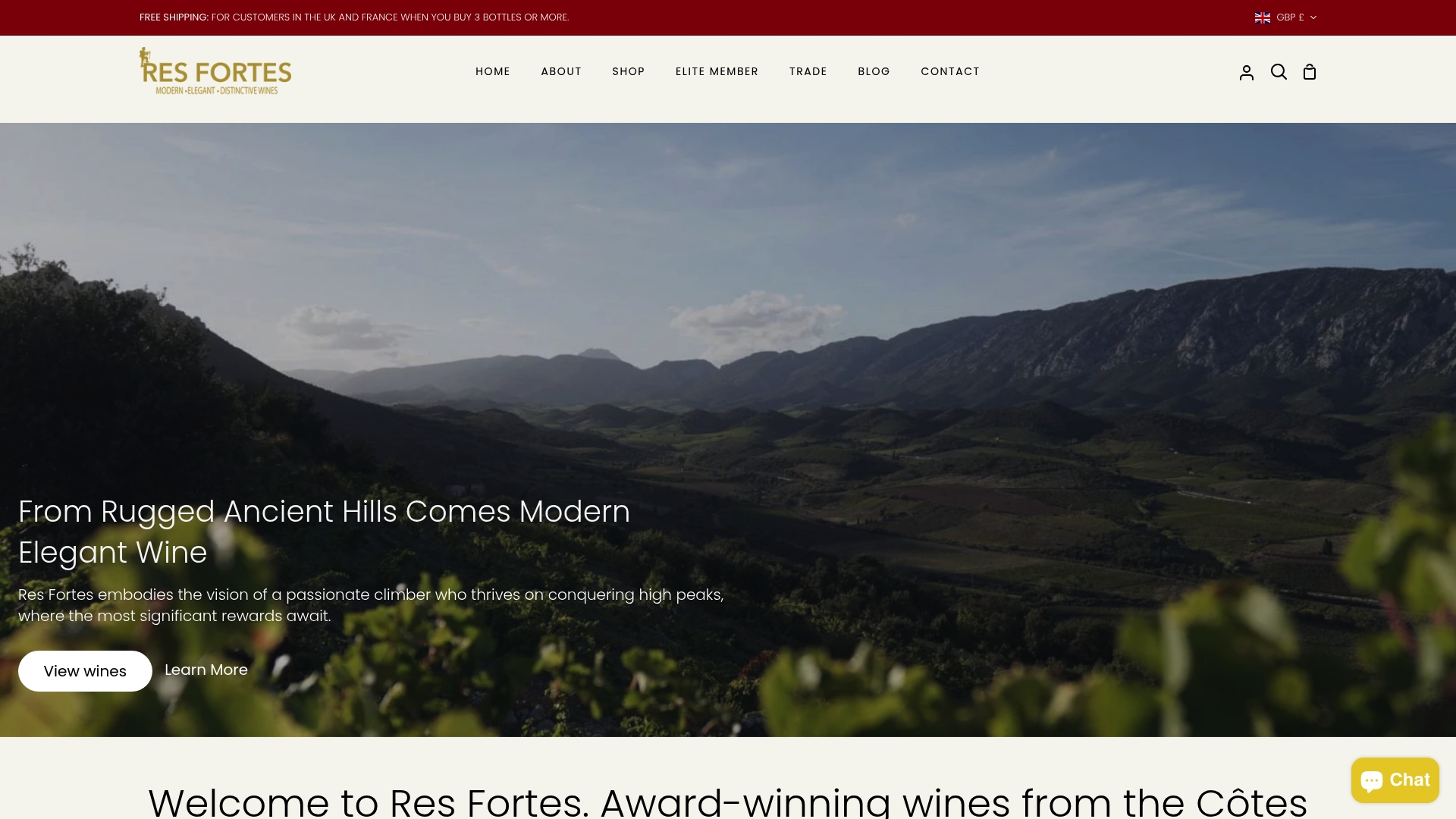
A visit to Saint-Paul does not have to end when you leave the village. Res Fortes brings the same old-vine Grenache, estate Syrah and citrus-bright Chardonnay that define the local terroir to your table, whether you are revisiting a memory or discovering the region for the first time through the glass.
- Single bottles and curated mixed cases let you build a tasting flight of a full range of wines.
- A membership programme gives access to exclusive releases beyond the standard collection.
- Orders of several bottles may ship free within certain countries.
Browse the Our wines collection to choose your first bottles, or explore the Elite Membership subscription for a more ongoing route into the Fenouillèdes. For more on the winery’s own connection to the village, the background on Saint-Paul-de-Fenouillet fills in the story behind the bottle.
Sources
FAQ
What is Saint-Paul-de-Fenouillet known for in wine terms?
Saint-Paul-de-Fenouillet is known as a base for exploring the wider Fenouillèdes wine territory, which includes Maury, Muscat de Rivesaltes, Côtes du Roussillon Villages and IGP Côtes Catalanes. The village itself does not carry its own appellation, but sits within reach of several small, appointment-led estates.
Do I need to book ahead to visit wineries near Saint-Paul?
Yes, most small estates around Saint-Paul operate by appointment only rather than offering walk-in tastings. Booking a few days ahead in peak season is recommended, since local listings show limited group sizes and set visit slots.
What grape varieties are grown around Saint-Paul-de-Fenouillet?
Grenache, Syrah, Carignan and Mourvèdre dominate the reds, while Macabeu and Muscat varieties feature among the whites. Old vines are common across the area, particularly for Grenache, and contribute to the concentrated, terroir-driven styles the region is known for.
Can I buy Res Fortes wine after visiting Saint-Paul?
Yes, Res Fortes sells single bottles and curated mixed cases through its Our wines collection, with free shipping in the UK and France on three bottles or more. An Elite Membership subscription is also available for those wanting exclusive releases beyond the standard range.
How long should I plan for a wine visit in Saint-Paul-de-Fenouillet?
Visit formats typically run 45 minutes for a short cellar introduction, 90 minutes for a vineyard walk, or around two hours for a picnic or gourmet tasting, based on local visit listings. A half-day suits one tasting plus a heritage walk, while a full day allows a vineyard walk and a trip to the Gorges de Galamus.